Key Takeaways
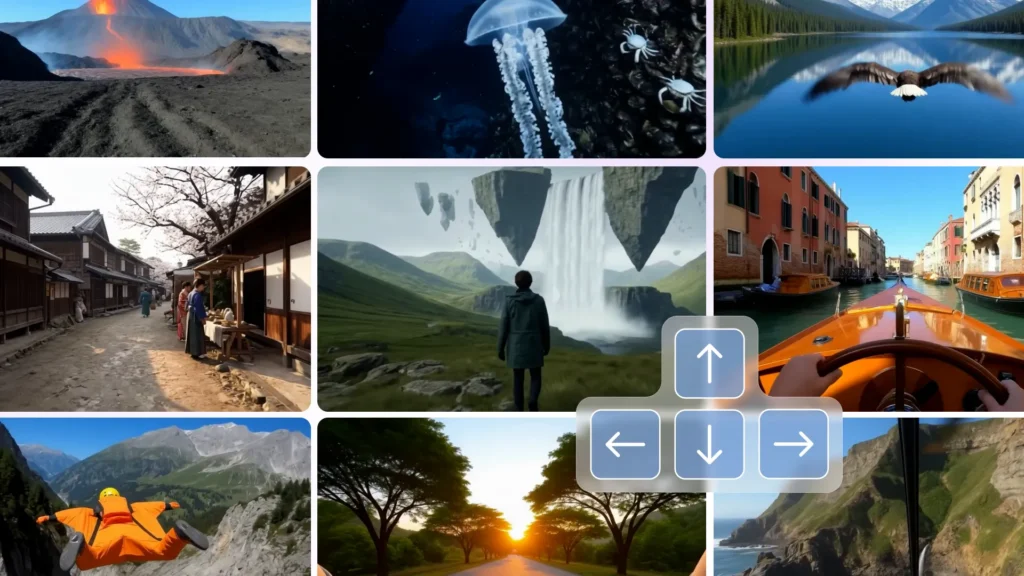
- Google Genie is a general-purpose world model developed by Google DeepMind that generates photorealistic, interactive environments from simple text descriptions
- Genie 3, the latest version, operates at 20-24 frames per second with 720p resolution
- Project Genie is the experimental prototype available to Google AI Ultra subscribers in the US
- The technology represents a significant step toward AGI by enabling AI agents to reason and interact within simulated worlds
- Alternatives include Decart Oasis, Nvidia Isaac Lab, and LingBot-World
Table of Contents
What Is Google Genie?
Google Genie is the first real-time, interactive world model that generates photorealistic 3D environments from text prompts. Developed by Google DeepMind, this AI system transforms written descriptions into explorable virtual worlds that respond to user actions in real-time.
The Google Genie project differs fundamentally from traditional game engines or 3D modeling software. Rather than requiring manual asset creation, Genie 3 uses deep learning to understand physical environments and simulate them dynamically as users explore.
What Is Project Genie?
Project Genie is Google’s experimental research prototype that provides public access to Genie 3 technology. Through this interface, users can create and explore custom virtual worlds using text or image prompts.
How to Access Project Genie
Project Genie requires a Google AI Ultra subscription and is currently available only to users aged 18 and older in the United States.
Step 1: Subscribe to Google AI Ultra through your Google account.
Step 2: Navigate to the Project Genie interface at the designated DeepMind portal.
google project genie
Step 3: Create your world by entering environment and character prompts.
create world with google genie
Step 4: Preview your world using the Nano Banana Pro image generator, then enter to explore.
How to Create Worlds in Google Genie
Effective prompting requires defining two core elements: your environment and your character. The system then generates a preview image you can refine before entering the world.
#1 – Environment Prompting Best Practices
Describe landscapes with specific details about terrain, surfaces, and atmosphere. Include style elements (photorealistic, claymation, watercolor) and behavioral properties (dynamic water, deformable snow).
Example Environment Prompt: “A photorealistic alpine meadow with wildflowers. Among the evergreen pine trees is a rustic log cabin with a front porch. A split-rail fence meanders near the cabin. In the background there are three jagged mountain peaks covered in snow.”
#2 – Character Prompting Best Practices
Define your character’s appearance, movement capabilities, and how it interacts with the environment. Specify camera perspective (first-person or third-person) and control responsiveness.
Example Character Prompt: “A shiba inu centered in the frame, angled like a 3rd person video game, with highly responsive controls.”
World Types You Can Create
- Natural environments: forests, mountains, oceans, deserts
- Fictional settings: alien landscapes, fantasy realms, animated worlds
- Artistic styles: claymation, watercolor, stop-motion aesthetics
- Historical recreations: ancient cities, historical eras
- Abstract spaces: macro-scale environments, stylized physics
How Does Google Genie 3 Work?
Genie 3 operates through an autoregressive generation process, creating worlds frame by frame based on your text description and actions. The system achieves real-time performance at 20-24 frames per second while maintaining 720p photorealistic quality.
Core Technical Capabilities
- Real-Time Generation: The model processes user inputs and generates visual output fast enough for fluid, interactive exploration without noticeable lag.
- Environmental Memory: Genie 3 recalls previously visited areas when you return to them. Changes from specific interactions persist for up to one minute, enabling meaningful exploration and interaction.
- Physics Simulation: The system models realistic physical behaviors including water dynamics, deformable terrain (like snow footprints), and object interactions.
- Promptable World Events: Users can modify the generated world mid-session by describing changes such as weather shifts, new objects, or character appearances.
Google Genie Alternatives
Several other platforms offer related capabilities for interactive world generation and simulation.
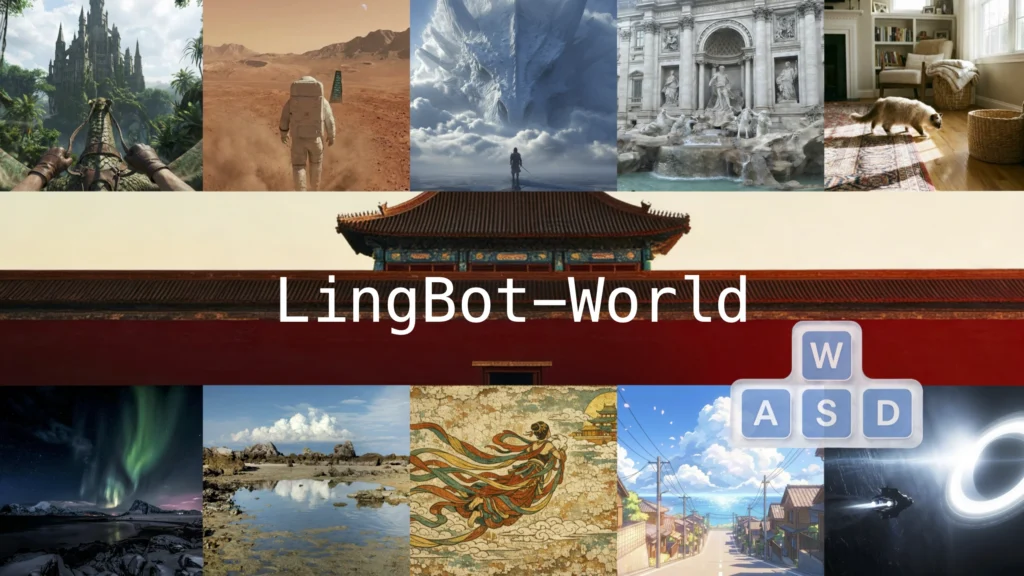
1. LingBot-World
An emerging AI world generation platform focused on creating interactive virtual environments with natural language interfaces. LingBot-World emphasizes conversational world-building and real-time modification of generated spaces.
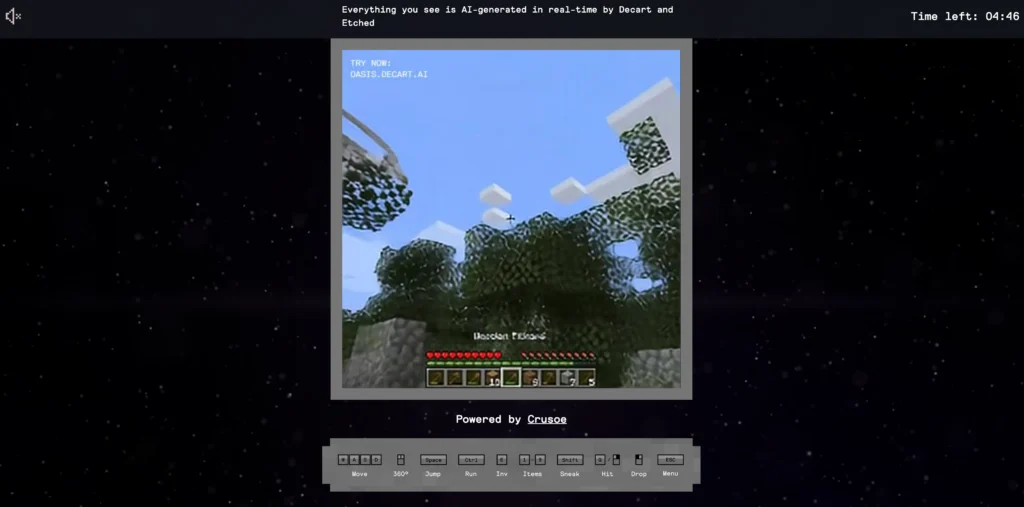
2. Decart Oasis
A real-time world model operating at 20 FPS that enables interactive, playable experiences. Oasis supports 3D-like environments and has demonstrated capabilities similar to Google Genie for game-style exploration.
3. Nvidia Isaac Lab
A powerful simulation environment designed primarily for robotics and embodied AI training. Isaac Lab offers high configurability for physical environments and supports complex agent training scenarios with precise physics simulation.
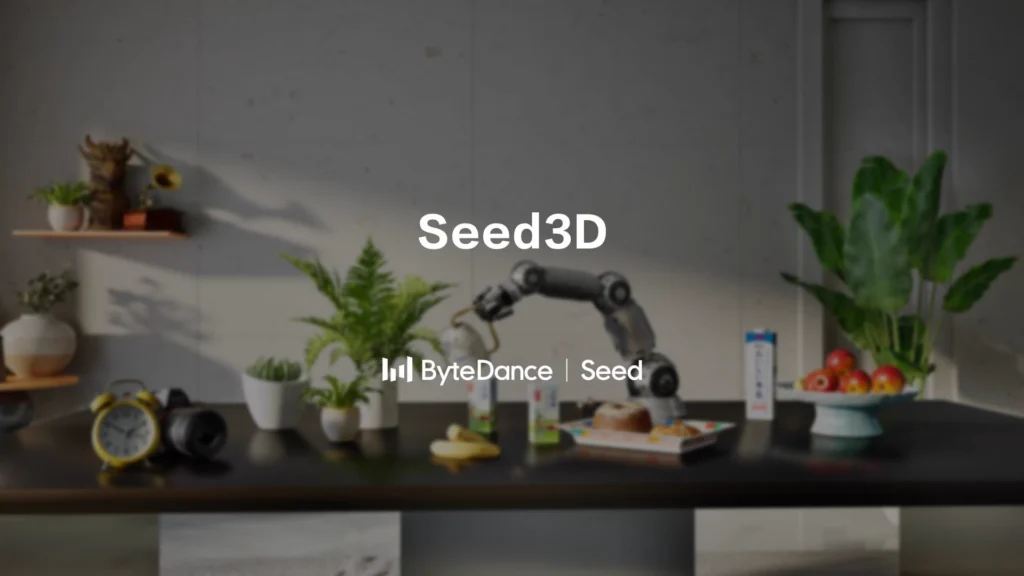
4. Seed3D (ByteDance)
Transforms single 2D images into complete 3D assets including watertight meshes with textures, PBR materials, and UV maps. Seed3D outputs are compatible with standard game engines, making it suitable for asset production pipelines.
5. Unity with AI Tools
The standard 3D development platform now incorporates generative AI capabilities for creating, rendering, and manipulating environments. Unity supports up to 4K resolution and benefits from extensive tooling and community resources.
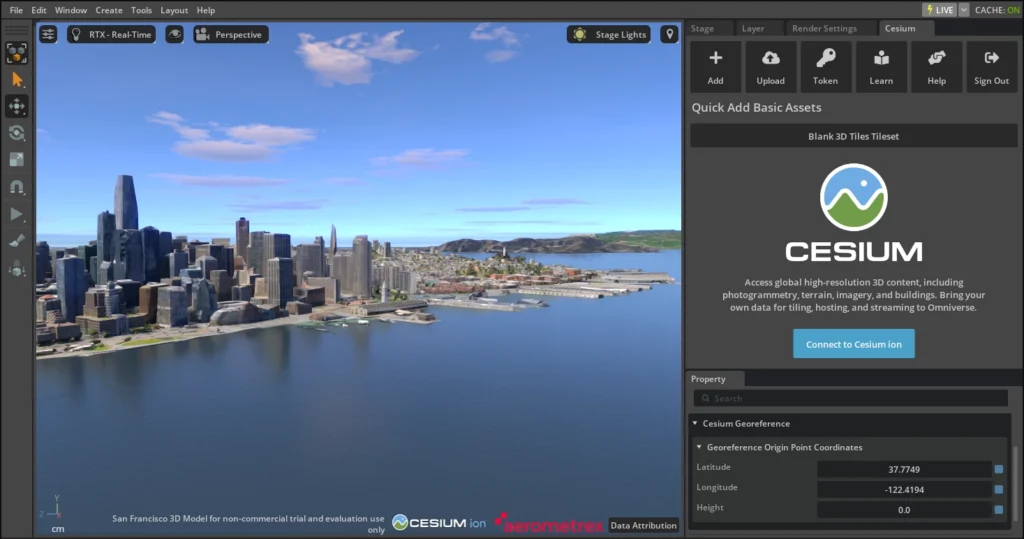
6. Cesium + Unreal Engine 5
A combined platform for large-scale 3D geospatial simulations. This solution excels at creating realistic virtual environments based on real-world geographic data, suitable for urban planning, defense, and infrastructure applications.
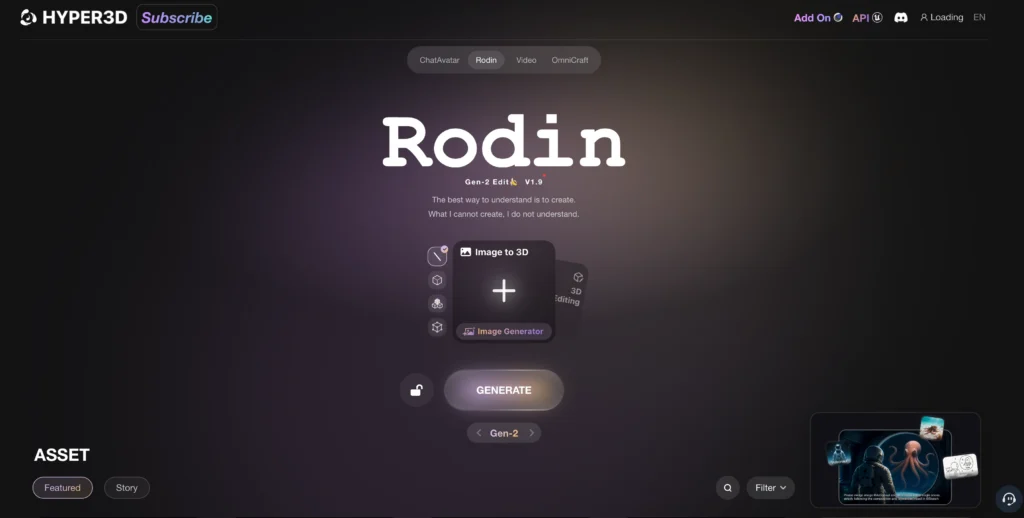
7. Skywork AI
An open-source “world builder” platform with goals similar to Google Genie. Skywork Rodin focuses on accessible tools for creating interactive virtual environments and has released components publicly for community development.
Bonus: Gaga AI Video Generator
For creators interested in AI-generated video content rather than interactive worlds, Gaga AI offers video generation capabilities. While distinct from Google Genie’s real-time interactive approach, Gaga AI represents another application of generative models to visual content creation.
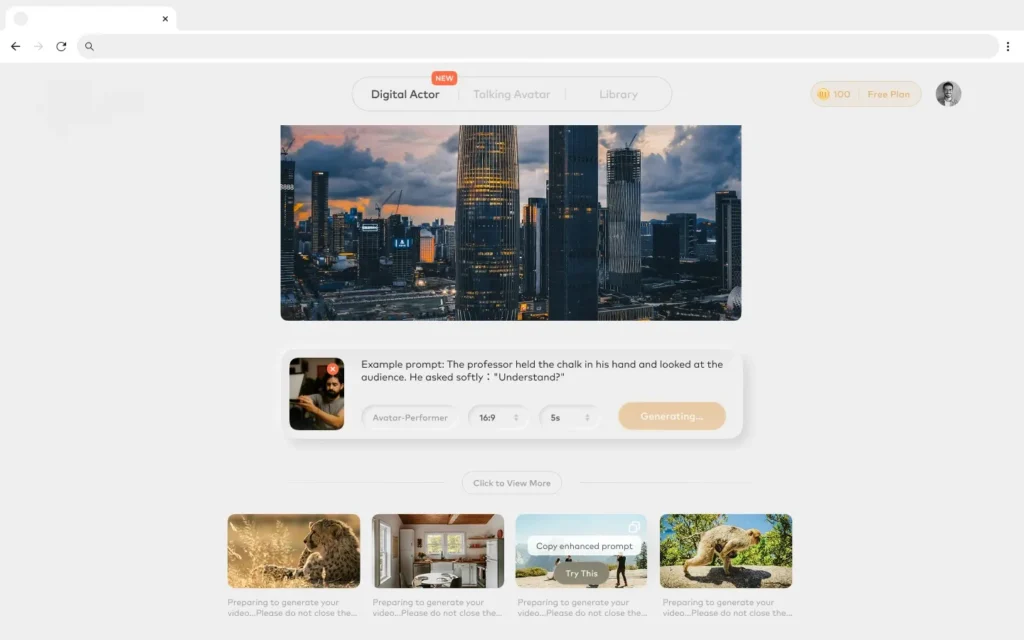
Gaga AI focuses on producing video sequences from text descriptions, complementing world models like Genie by enabling linear video output for traditional media workflows.
Frequently Asked Questions
What is Google Genie and how does it work?
Google Genie is a world model developed by Google DeepMind that generates photorealistic, interactive 3D environments from text descriptions. It works by using deep learning to understand physical environments and simulate them in real-time at 20-24 frames per second as users explore and interact.
Is Google Genie free to use?
No, Google Genie requires a Google AI Ultra subscription. Project Genie, the public interface for accessing Genie 3, is currently available only to subscribers aged 18 and older in the United States.
What is the difference between Genie 2 and Genie 3?
Genie 3 represents a major advancement in capabilities, offering photorealistic 720p generation at real-time frame rates with improved environmental consistency and memory. Genie 3 can maintain coherent worlds for several minutes and recall specific interactions for up to one minute.
Can Google Genie create games?
Google Genie generates explorable, interactive environments rather than complete games with mechanics, objectives, and scoring systems. However, the generated worlds can serve as prototyping tools for game concepts or training environments for AI agents.
What prompts work best with Google Genie?
Effective prompts combine specific environmental details (terrain, style, atmosphere, behavior) with clear character definitions (appearance, movement capabilities, camera perspective). Using declarative sentences, sensory details, and game-like language produces better results.
How long can I explore a Google Genie world?
Genie 3 supports continuous interaction for several minutes. Environmental memory for specific changes persists for approximately one minute, meaning revisited locations recall modifications made within that timeframe.
Can Google Genie recreate real locations?
Genie 3 cannot perfectly simulate real-world locations with geographic accuracy. It can generate environments stylistically similar to described places but should not be relied upon for precise real-world recreation.
What are the system requirements for Project Genie?
Project Genie runs through Google’s cloud infrastructure, so local hardware requirements are minimal. Users need a stable internet connection, a Google AI Ultra subscription, and location within the United States.
Is Google Genie related to Project Astra or other Google AI projects?
Google Genie is a separate research initiative from Google DeepMind focused specifically on world modeling. While it may share underlying technologies with other Google AI projects, it addresses the distinct challenge of generating interactive, explorable environments.
How does Google Genie compare to traditional game engines?
Unlike Unity or Unreal Engine, which require manual asset creation and programming, Genie generates environments dynamically from text. Traditional engines offer more precise control and complex game logic, while Genie excels at rapid prototyping and AI training scenarios.