The artificial intelligence revolution has fundamentally transformed how we create video content. Among the latest entrants to this rapidly evolving landscape is the grok ai video generator, a bold new tool from Elon Musk’s xAI that’s generating both excitement and controversy.
As businesses and content creators search for efficient ways to produce engaging video content, understanding the capabilities and limitations of emerging platforms like Grok AI becomes essential. In this comprehensive review, we’ll explore what the grok ai video generator offers, how it compares to established competitors, and why professional users might need to look elsewhere for production-grade results.
Table of Contents
What is Grok AI Video Generator?
The grok ai video generator is the latest feature from xAI, the artificial intelligence company founded by Elon Musk. Built into the Grok app ecosystem, this tool represents xAI’s ambitious entry into the generative video space. At its core, Grok AI leverages the company’s powerful Grok 4.1 language model to create visual content through a feature called “Grok Imagine.”
Unlike traditional video editing software, grok ai uses a unique two-step process for video creation. Users first generate an image from a text prompt, then transform that static image into a short video clip. This image-to-video approach differentiates it from competitors that offer direct text-to-video generation. The platform is accessible across multiple devices, including iOS and Android mobile apps, as well as through grok.com, making it highly accessible for users within the xAI ecosystem.
The video output from grok ai video ranges from 6 to 15 seconds in length, occasionally featuring background audio to enhance the final result. Initially reserved for premium subscribers (SuperGrok and Premium+ members), xAI made the tool temporarily free for all US users, creating a surge of experimentation and viral content across social media platforms.
How Grok AI Video Works: Step-by-Step Process
Understanding the workflow of the grok ai video generator reveals both its simplicity and its limitations. The process begins when users open the Grok app and navigate to the “Imagine” tab. Here’s how it works:
Step 1: Text Prompt or Image Upload

Users can either type a descriptive text prompt or upload an existing photo as their starting point. The text-based approach allows for creative freedom, while image uploads enable animation of existing visuals.
Step 2: Video Creation
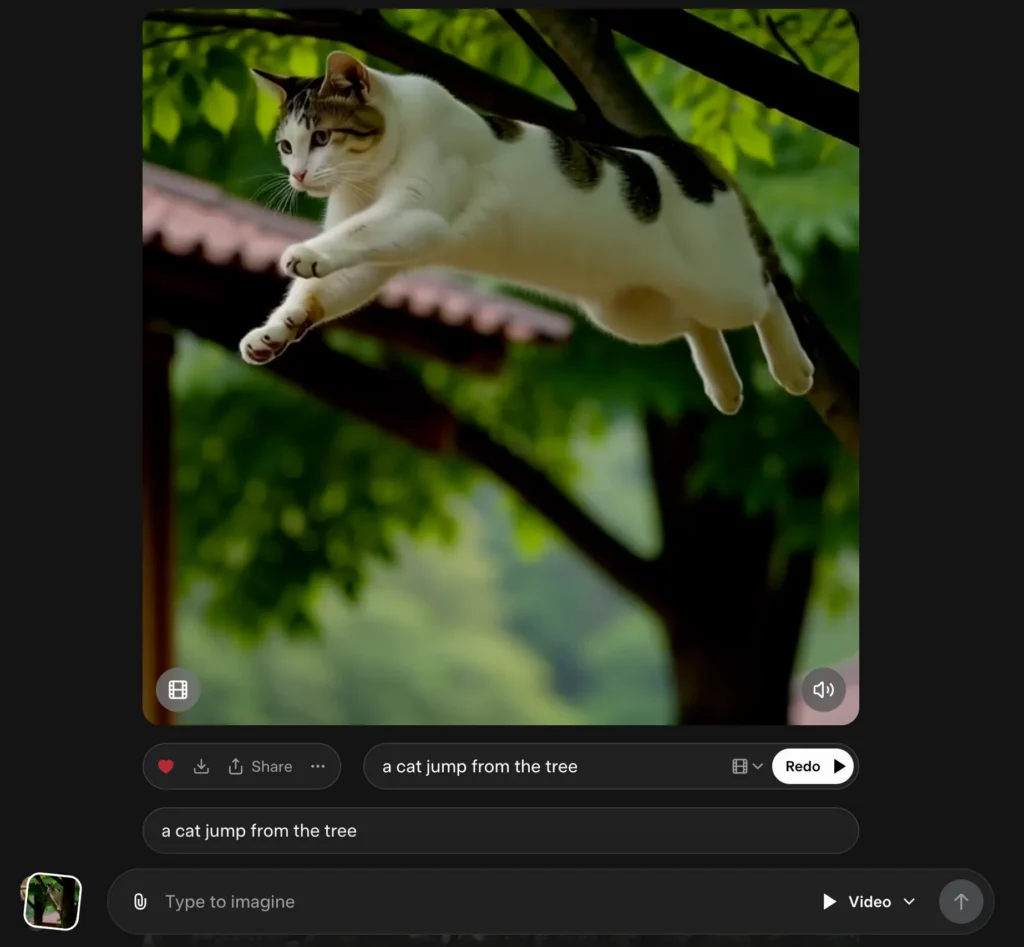
After selecting an image, users tap the “Run” button, and grok ai transforms the static image into an animated clip.
The platform offers four distinct generation modes: Normal (standard output), Fun (playful and lighthearted content), Custom (user-defined parameters), and the controversial Spicy mode (designed for unrestricted, NSFW content). Each mode caters to different creative intentions and content requirements.
According to Elon Musk, Grok Imagine can create videos in approximately half to one-quarter the time major competitors take to generate a single image. This speed-first approach reflects xAI’s philosophy of rapid deployment and iterative improvement, though it comes with trade-offs in output quality that we’ll explore later.
Grok AI Video Generator Features & Capabilities
Speed and Performance
The most notable strength of the grok ai video generator lies in its exceptional generation speed. Users report near-instantaneous image creation, followed by quick video conversion—a complete workflow that takes mere seconds from prompt to final output. This rapid turnaround makes it ideal for users who need to iterate quickly or generate large volumes of content.
Additionally, the platform provides multiple image variations per prompt, giving users several options to choose from before committing to video generation. This batch approach increases the likelihood of achieving satisfactory results without multiple regeneration attempts.
Creative Modes
The four generation modes represent grok ai video’s attempt to serve diverse creative needs. Normal mode delivers standard results suitable for general purposes, while Fun mode adds playful elements ideal for entertainment content. Custom mode allows users to fine-tune parameters for more specific outcomes.
However, the Spicy mode has generated the most attention and controversy. Designed for “bold, unrestricted creativity,” this mode removes typical content filters found in competing platforms. While xAI positions this as creative freedom, it has led to problematic use cases, including deepfake creation and celebrity image manipulation, raising serious ethical concerns about responsible AI deployment.
Technical Specifications
Powering these capabilities is the Grok 4.1 model, a massive neural network with approximately 1.7 trillion parameters. This foundation model was trained on Colossus, xAI’s custom supercomputer cluster reportedly equipped with 200,000 Nvidia GPUs—an infrastructure investment that demonstrates the company’s commitment to AI advancement.
The architecture employs a hybrid design with specialized modules for reasoning, coding, and language understanding. For video generation specifically, grok ai likely uses diffusion models similar to other image generation tools, though xAI has remained secretive about the exact technical implementation. The image-to-video approach suggests a less sophisticated temporal consistency mechanism compared to native text-to-video models.
Grok AI Video Quality: The Reality Check
While speed and accessibility are clear advantages, the quality of grok ai video generator output tells a more complex story. Users and reviewers consistently note that the platform remains in an early beta stage, with noticeable quality limitations.
The generated videos work best for specific use cases: memes, stylized content, cartoonish animations, and quick social media clips. For these applications, the distinctive “AI-generated” aesthetic can actually enhance the content’s appeal, particularly when speed matters more than polish.
However, photorealistic output remains beyond the platform’s current capabilities. Common issues include inconsistent movement, jerky animations, and visual artifacts that break immersion. Audio accompaniment, when included, often consists of generic sounds poorly matched to the visual content. Notable quality failures—like the reported soccer field with a halfway line running through the goalpost—highlight the model’s struggle with spatial consistency and real-world logic.
When compared directly to outputs from OpenAI’s Sora or Google’s Veo 3, the quality gap becomes immediately apparent. Those platforms produce longer, more coherent, and significantly more realistic videos with cinematic qualities. The grok ai video output, by contrast, maintains an unmistakable artificial quality that limits its professional applications.
For users requiring polished, professional-grade video content, these limitations present serious obstacles. While xAI promises rapid improvements, the current iteration functions better as an experimental creative tool than a production-ready solution.
Grok AI vs. Leading Competitors
Grok AI vs. Gaga AI
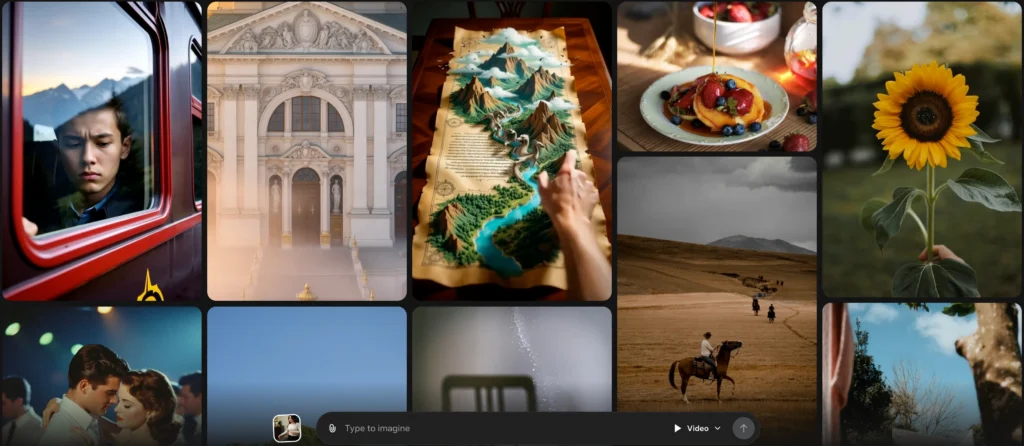
For professionals and businesses requiring production-grade AI video generation, Gaga AI represents a superior solution across multiple dimensions. Unlike the experimental nature of the grok ai video generator, Gaga AI delivers professional-quality output designed specifically for business applications.
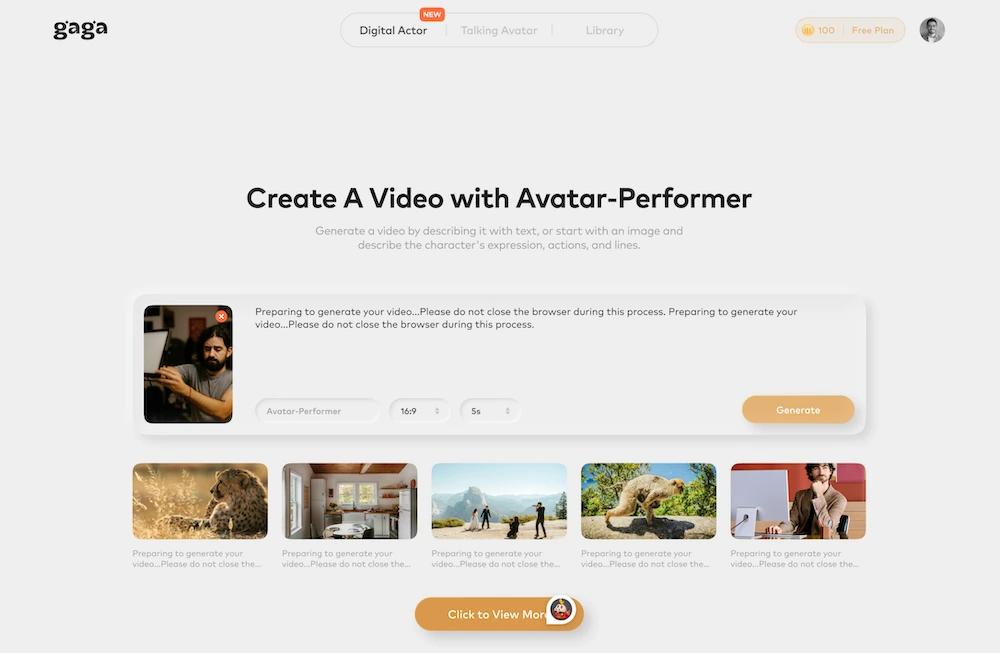
Gaga AI’s advanced text-to-video capabilities eliminate the two-step workflow required by Grok, allowing users to go directly from concept to polished video. The platform produces longer video durations suitable for marketing campaigns, product demonstrations, and educational content—use cases where Grok’s 6-15 second limitation proves restrictive.
Quality and consistency represent Gaga AI’s most significant advantages. The platform generates videos with superior realism, smoother motion, and professional polish that matches or exceeds outputs from Sora and Veo 3. Businesses can confidently use Gaga AI-generated content in customer-facing materials without the obvious AI artifacts that characterize Grok’s output.
Business-focused features further differentiate Gaga AI from consumer-oriented tools. The platform offers enhanced customization options, allowing precise control over visual style, pacing, and branding elements. Integration capabilities enable seamless incorporation into existing content workflows, while batch processing supports efficient scaling for high-volume needs.
Grok AI vs. OpenAI Sora
OpenAI’s Sora represents the current gold standard in AI video generation, offering true text-to-video capabilities. Users can describe a scene, and Sora generates video directly from that description, without requiring an intermediate image step. This fundamental architectural difference gives Sora significant flexibility advantages.
In quality comparisons, Sora produces longer videos (up to 60 seconds), with better temporal consistency, more realistic motion, and superior scene complexity. The grok ai video generator, constrained by its image-first workflow, struggles to match Sora’s coherence across longer sequences. However, Grok’s speed advantage and lower barrier to entry make it more accessible for casual users and rapid experimentation.
Grok AI vs. Google Veo 3
Google’s Veo 3 similarly offers direct text-to-video generation with exceptional realism and cinematic quality. Professional users favor Veo 3 for commercial applications requiring polished outputs. The platform excels at producing videos that could pass for professionally shot footage, complete with sophisticated camera movements and lighting.
In contrast, grok ai targets a different market segment: users prioritizing speed and experimentation over production quality. While Veo 3 serves professional creators and businesses with quality requirements, Grok appeals to social media managers, meme creators, and hobbyists who value rapid iteration.
Grok AI vs. Midjourney
Midjourney recently added image animation capabilities, making it a more direct competitor to Grok’s image-to-video approach. Midjourney’s longstanding reputation for exceptional image quality translates to higher-quality video outputs, as the foundation images provide superior starting points for animation.
Users report that Midjourney maintains better visual fidelity through the animation process, though grok ai video maintains its speed advantage. For creators who prioritize aesthetic quality over generation time, Midjourney presents a compelling alternative within the image-to-video category.
For more insights on professional video generation tools, explore our comprehensive AI video generator comparison and discover the best AI video tools for your specific needs.
Pricing and Accessibility
The grok ai video generator launched with a tiered pricing structure that has evolved strategically. Initially available exclusively to SuperGrok and Premium+ subscribers, xAI temporarily made the feature free for all US users, likely timed to capitalize on attention surrounding competing product launches.
Premium subscriptions typically range from $8-16 monthly, positioning Grok competitively against other AI tools. The temporary free access created viral momentum, flooding social media with user-generated content that served as organic marketing for the platform.
For businesses evaluating cost-benefit, the calculation depends heavily on use case. The low price point makes sense for social media experimentation or high-volume ideation. However, when comparing against professional tools like Gaga AI, the total cost of ownership includes not just subscription fees but also the opportunity cost of lower-quality output, time spent on regenerations, and potential brand risk.
In Te End
The grok ai video generator represents an interesting but flawed entry into the AI video generation space. Its exceptional speed, easy accessibility, and experimental approach make it valuable for specific applications—particularly social media experimentation, meme creation, and rapid ideation. The platform demonstrates xAI’s ambition and willingness to push boundaries, even when controversial.
However, current quality limitations, short video durations, and ethical concerns restrict its professional applicability. When compared against established competitors like Sora and Veo 3, the grok ai video generator falls short on technical metrics. For businesses requiring reliable, professional-grade video content, these limitations prove prohibitive.
For serious business applications, Gaga AI emerges as the superior choice. With advanced text-to-video capabilities, professional-quality output, longer video durations, and business-focused features, Gaga AI delivers the consistency and polish that brands demand. While Grok serves as a fun experimental tool, Gaga AI provides the production-ready solution that drives real business results.
As AI video generation technology continues evolving at breakneck speed, choosing the right platform for your needs becomes increasingly important. Whether you’re a social media manager testing quick concepts or a marketing director producing customer-facing content, matching tool capabilities to project requirements ensures optimal outcomes. The grok ai video generator has earned its place in the ecosystem—just not necessarily in professional production workflows.
Ready to experience professional-grade AI video generation? Discover how Gaga AI can transform your content creation workflow with superior quality, reliability, and business-focused features designed for serious creators.
Related Posts:
 The Complete Guide to Stable Diffusion AI Video: From Image Generation to Advanced Video Creation
 AI Movie Generator: Complete Guide to Creating Videos with Artificial Intelligence in 2026
 Invideo AI Video Generator: Complete Guide to Features, Pricing & Free Alternatives
 AI Twerk Generator: 5 Free Tools to Create Viral Videos