The digital content landscape is experiencing an unprecedented transformation as creators, game developers, and social media influencers increasingly turn to AI-powered solutions for character design. An ai character generator has become an indispensable tool for anyone looking to create unique, compelling characters without the traditional time and cost barriers of manual illustration or 3D modeling.
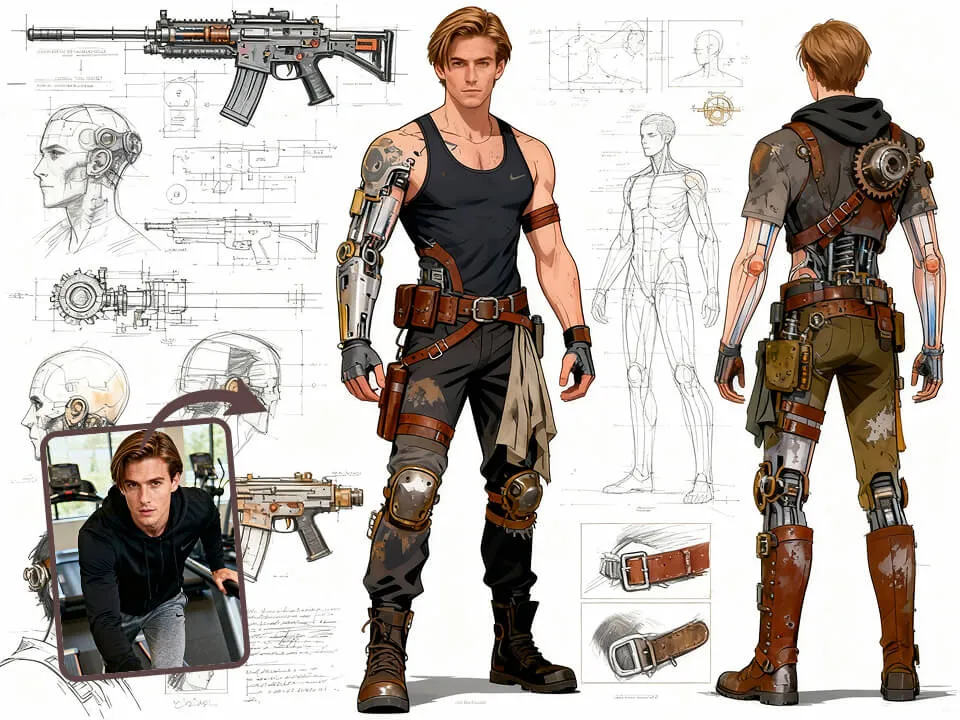
Whether you’re developing a video game, creating social media content, producing animated videos, or building virtual assistants, AI character generation technology offers unprecedented creative possibilities. These sophisticated tools leverage advanced machine learning models to transform simple text descriptions into fully realized visual characters in seconds.
In this comprehensive guide, we’ll explore how AI character generators work, compare the top platforms available in 2025, examine essential features to consider, and provide practical insights to help you choose the right tool for your specific needs.
Table of Contents
What is an AI Character Generator?
An ai character generator is a sophisticated software tool that uses artificial intelligence to create original character designs from user inputs. These inputs can range from simple text descriptions like “a cyberpunk warrior with neon hair” to complex combinations of reference images, style preferences, and detailed specifications.
An ai character refers to any digitally created character produced through AI algorithms rather than traditional manual design methods. These characters can be static images, animated figures, or even interactive personalities with conversational capabilities when integrated with ai character chat systems.
The technology behind character generator ai platforms primarily relies on deep learning models trained on millions of images and their corresponding descriptions. This training enables the AI to understand the relationships between textual concepts and visual elements, allowing it to generate entirely new characters that match user specifications while maintaining artistic coherence.
Use Cases Across Industries:
- Gaming: Creating NPCs, protagonists, and enemy characters for indie and AAA game development
- Social Media: Generating unique avatars, profile pictures, and branded mascots for online presence
- Animation & Video: Producing consistent characters for animated content, marketing videos, and storytelling
- Virtual Assistants: Designing visual representations for chatbots, customer service agents, and interactive AI personalities
How AI Character Generators Work
Understanding the technology behind an ai character creator helps users maximize their creative potential and set realistic expectations for generated results.
The Diffusion Model Process:
Modern AI character generators primarily use diffusion models, which represent a breakthrough in generative AI technology. Here’s how the process unfolds:
1. Training Phase: The AI model is trained on massive datasets containing millions of images paired with descriptive text. During training, the model learns to recognize patterns, artistic styles, anatomical structures, clothing types, facial features, and countless other visual elements. It develops an understanding of how words like “warrior,” “elegant,” or “futuristic” translate into visual characteristics.
2. User Input: When you use an ai character creator, you provide input in the form of text prompts (e.g., “a mystical forest elf with silver hair and emerald eyes”) or reference images that convey style, pose, or character attributes you want to replicate.
3. Noise-to-Image Refinement: The AI begins with a field of random noise—essentially visual static. Through a series of iterative steps, the model gradually refines this noise, layer by layer, guided by its understanding of your prompt. Each iteration removes randomness and adds structured visual information that aligns with your description.
4. Progressive Refinement: Over dozens or hundreds of refinement steps, the noise transforms into recognizable shapes, then detailed features, and finally a polished character image that matches your specifications. The AI considers composition, lighting, proportions, style consistency, and countless other factors simultaneously.
5. Output Generation: The final result is an original image that didn’t exist before—a unique character created from the synthesis of the AI’s learned knowledge and your creative direction.
This process typically takes seconds to minutes depending on the complexity of the request and the computational power available, making it exponentially faster than traditional character design methods.
Key Features to Look for in an AI Character Generator
Not all AI character generators are created equal. When evaluating platforms, consider these eight essential features that separate exceptional tools from basic generators:
| Feature | Why It Matters |
| Character Consistency | The ability to maintain the same character appearance across different poses, expressions, and scenes is crucial for projects requiring multiple images or animations. Without consistency, you’ll struggle to create cohesive stories or professional content. Look for platforms that offer character memory or reference features. |
| Commercial Licensing | Clear rights for using generated characters in commercial projects and IP creation are essential if you plan to monetize your content. Some platforms restrict commercial use or claim partial ownership of generated content. Always verify licensing terms before committing to a platform for business purposes. |
| Style Control | Options to specify artistic styles—from photorealistic to cartoon, anime, or stylized illustrations—give you creative flexibility. The best generators offer granular style controls, allowing you to match your brand aesthetic or project requirements precisely. This feature is particularly important for maintaining visual consistency across marketing materials or game assets. |
| Customization Depth | Granular control over character details like facial features, clothing, accessories, and proportions enables you to create truly unique characters rather than generic outputs. Advanced platforms allow you to specify everything from eye color and hairstyle to clothing fabric texture and accessory placement. |
| Multi-Format Output | Ability to export characters in various file formats (PNG, JPG, SVG, PSD, etc.) suitable for different applications ensures compatibility with your workflow. Video-focused projects might need MP4 outputs, while game development might require transparent PNG files or even 3D-ready formats. |
| Character Memory | Storage of character profiles for easy access and consistent generation over time eliminates the need to recreate characters from scratch. This feature is invaluable for serialized content, ongoing marketing campaigns, or game development where character consistency across months of production is critical. |
| Prompt Effectiveness | How well the AI interprets and implements text descriptions into visual elements directly impacts your efficiency. Superior prompt interpretation means fewer iterations to achieve desired results. Look for platforms with sophisticated natural language understanding that can handle complex, nuanced descriptions. |
| Reference Image Support | Options to use existing images as style or character references accelerate the creative process and improve accuracy. This feature allows you to upload inspiration images, existing character art, or style references that guide the AI’s generation process, bridging the gap between your vision and the final output. |
Top AI Character Video Generators
Video-based character generation represents the cutting edge of AI creativity, bringing static characters to life with movement, expression, and dynamic presence.
1. Gaga AI
Gaga AI stands out as a premier ai character generator specializing in video content creation. As the platform’s core strength, video generation capabilities set it apart from image-only alternatives.
Key Capabilities:
- Advanced Video Generation: Creates 5-10 second motion clips featuring your AI character with natural movements and gestures
- Character Consistency: Maintains appearance coherence throughout video sequences, crucial for professional content
- Realistic Styles: Specializes in photorealistic character rendering ideal for professional marketing, educational content, and brand storytelling
- Audio Infusion: Integrates audio elements seamlessly with video generation for complete multimedia experiences
- Versatile Applications: Characters can be placed in diverse settings including professional environments (offices, conference rooms), casual locations (cafes, parks), active scenarios (fitness centers, sports venues), creative spaces (studios, stages), and urban backdrops (city streets, modern architecture)
Best For: Content creators, marketers, and businesses seeking professional AI character videos for social media, advertising, presentations, and digital storytelling. Particularly strong for single-character focused content where consistency and quality are paramount.
Limitations: Currently optimized for single-character scenarios; multiple unique characters in a single scene may result in character cloning effects.
2. Veo 3 & 3.1
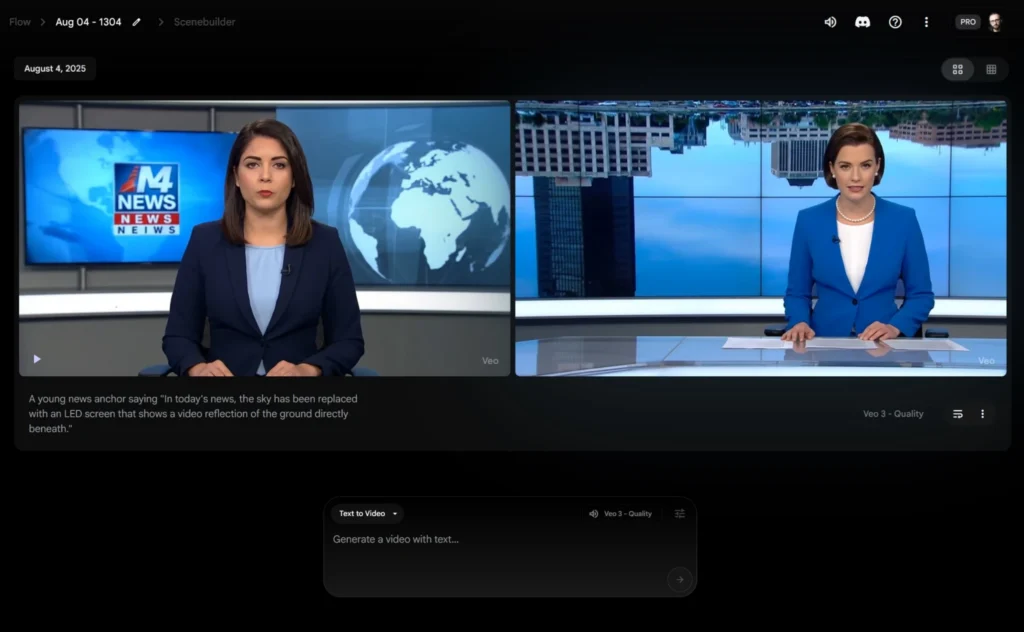
Veo 3 & 3.1 represents Google’s entry into AI video generation with impressive capabilities for creating dynamic character animations.
Key Features:
- High-resolution video output with extended duration options
- Strong understanding of complex motion and physics
- Excellent text-to-video conversion with nuanced prompt interpretation
Best Use Cases: Creators needing longer-form video content with sophisticated camera movements and complex scene compositions. Particularly effective for cinematic-style character presentations and narrative-driven content.
3. Kling
Kling offers competitive video generation with a focus on accessibility and user-friendly interfaces.
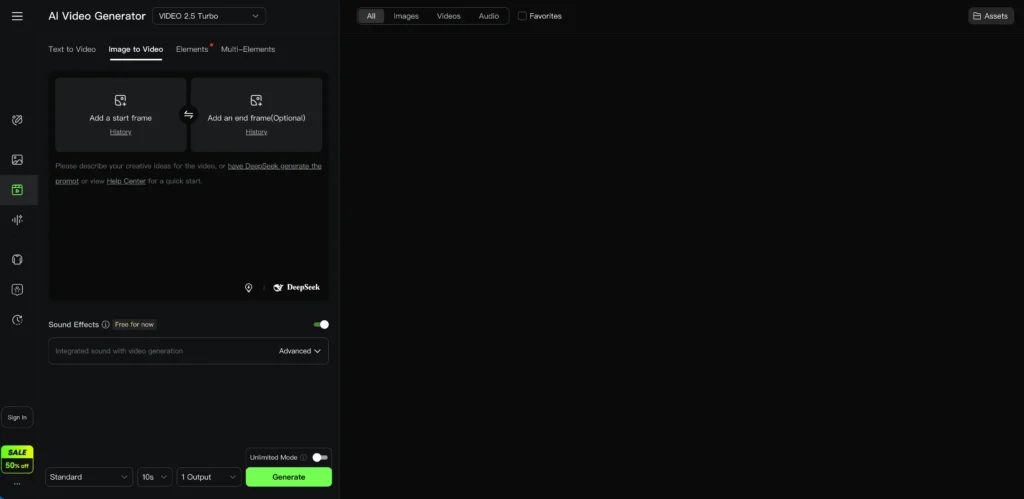
Key Features:
- Intuitive prompt system designed for non-technical users
- Fast generation speeds for quick iteration
- Balanced quality-to-cost ratio
Best Use Cases: Independent creators and small teams seeking affordable video character generation without sacrificing quality. Ideal for social media content, personal projects, and rapid prototyping.
4. Meta AI
Meta AI‘s video generation tools leverage the company’s extensive research in computer vision and neural networks.
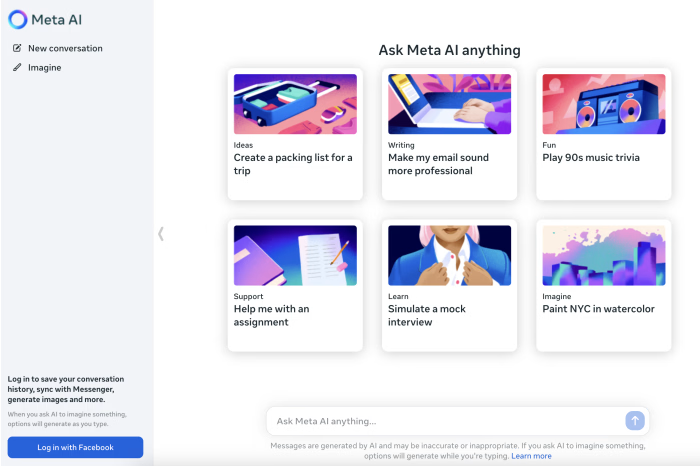
Key Features:
- Integration potential with Meta’s ecosystem of platforms
- Advanced motion capture translation capabilities
- Research-backed technology with continuous improvements
Best Use Cases: Developers and creators within Meta’s platform ecosystem (Facebook, Instagram, WhatsApp) seeking integrated character generation for social media applications.
Top AI Character Image Generators
For static character designs, concept art, and visual development, these image-focused platforms offer exceptional capabilities:
1. Midjourney V7
Midjourney V7 has earned its reputation as one of the most artistically sophisticated ai character platforms available.
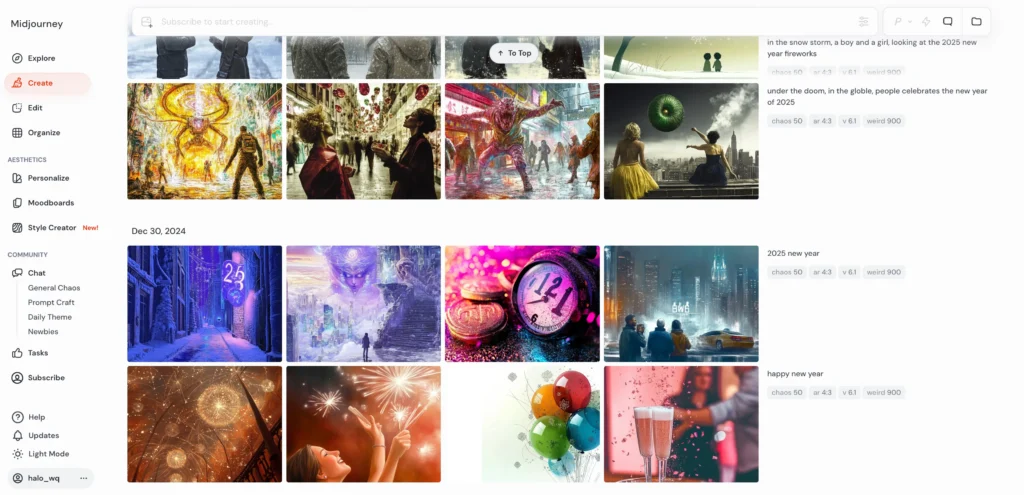
Overview: Known for producing stunningly artistic character designs with exceptional attention to detail, lighting, and composition. The latest V7 iteration includes improved anatomical accuracy and style consistency.
Style Capabilities: Excels at fantasy characters, concept art, stylized portraits, and artistic interpretations. Offers exceptional control over aesthetic direction through advanced prompting techniques.
Best For: Professional artists, concept designers, and creative teams seeking high-quality character concept art and illustrations.
2. Adobe Firefly
Adobe Firefly integrates seamlessly into the Adobe Creative Cloud ecosystem, offering unique advantages for design professionals.
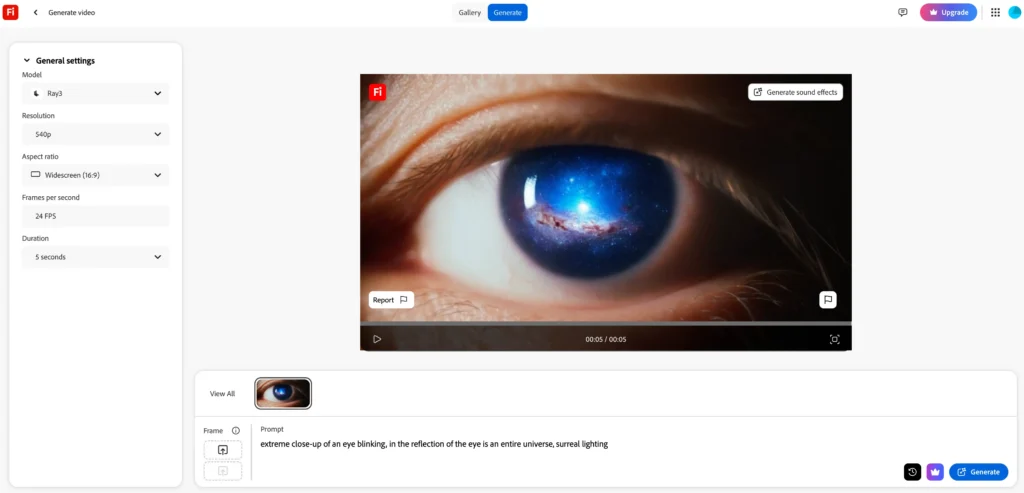
Commercial Licensing Advantages: Trained exclusively on Adobe Stock images and public domain content, ensuring clear commercial rights. This makes Firefly particularly attractive for business applications where licensing concerns are paramount.
Integration Benefits: Direct integration with Photoshop, Illustrator, and other Adobe tools streamlines workflow. Generate characters directly within your existing creative projects.
Best For: Design professionals already using Adobe Creative Cloud who need reliable commercial licensing and workflow integration.
3. Stable Diffusion
Stable Diffusion stands out as the leading open-source free ai character generator option, offering unparalleled customization potential.
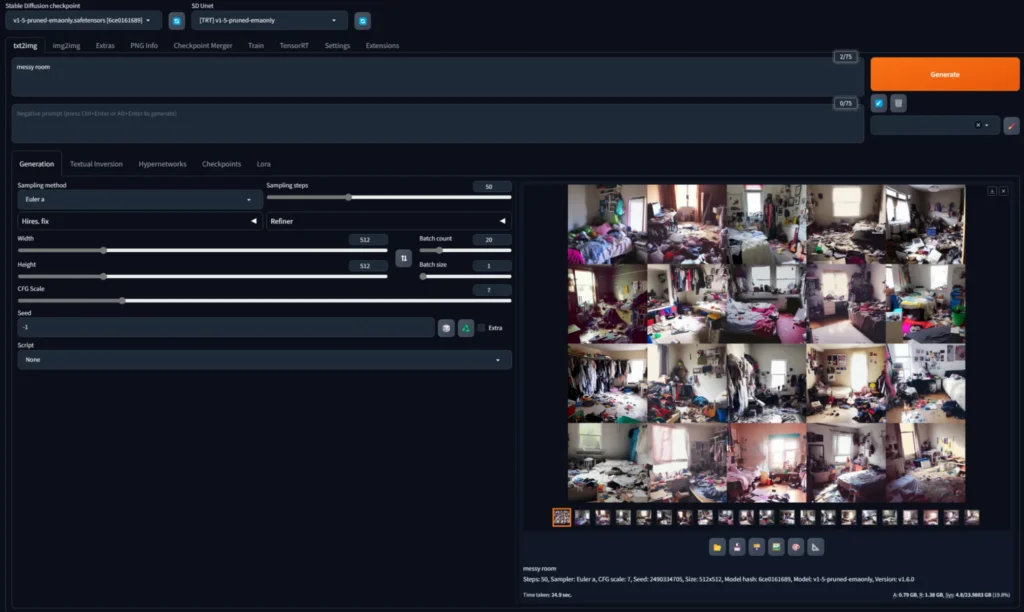
Open-Source Benefits: Complete control over the generation process with access to underlying model architecture. Community-driven development ensures continuous improvements and innovations.
Customization Options: Install custom models, fine-tune for specific styles, and modify generation parameters at a technical level impossible with closed platforms. Ideal for users comfortable with technical setup and experimentation.
Best For: Technical users, developers, and creators seeking maximum control and customization without recurring subscription costs.
4. DALL-E 3
DALL-E 3 from OpenAI combines powerful generation capabilities with exceptional ease of use.
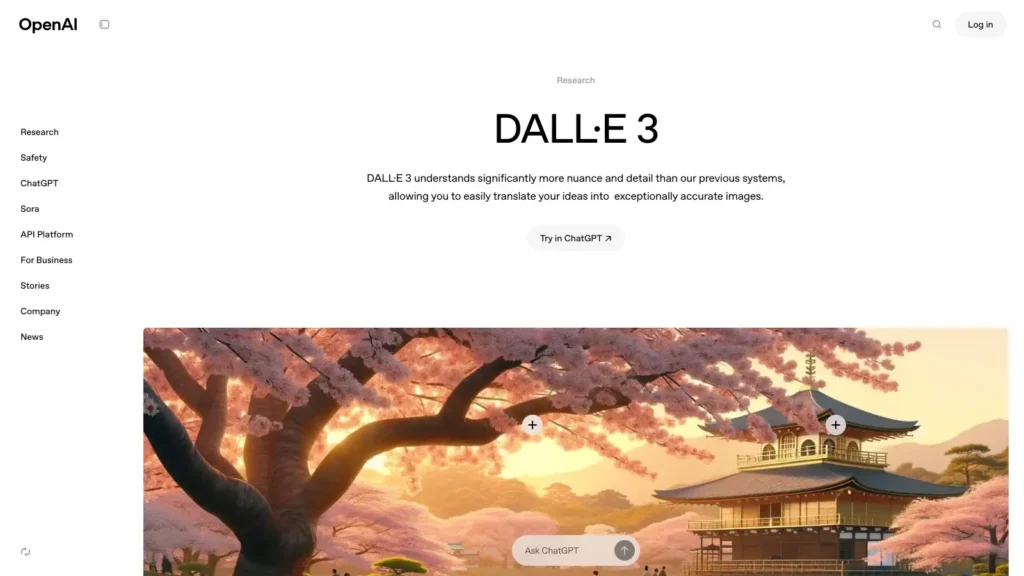
Overview: Exceptional prompt understanding and safe, consistent outputs make DALL-E 3 accessible to beginners while remaining powerful enough for professional use.
ChatGPT Integration: Seamless integration with ChatGPT allows conversational character design. Describe your vision in natural language and iterate through dialogue.
Best For: Users prioritizing ease of use, safety, and natural language interaction. Excellent for beginners and creators who prefer conversational interfaces.
5. Nano Banana (Gemini)
Nano Banana leverages Google’s Gemini AI model for character generation with unique multimodal capabilities.
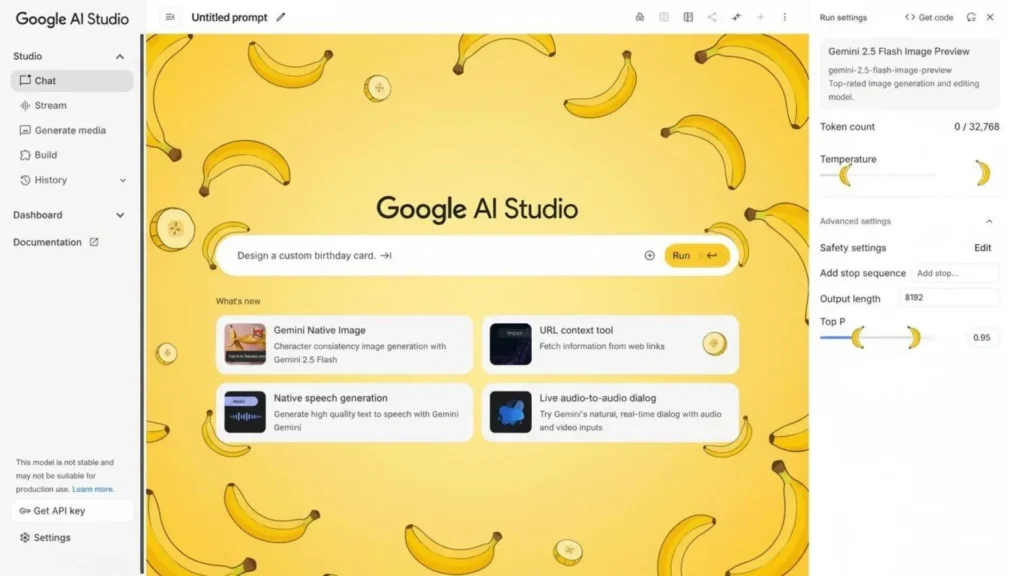
Unique Features: Strong understanding of context and ability to generate characters that align with complex, multi-faceted descriptions. Integration with Google’s ecosystem offers potential workflow advantages.
Best For: Users seeking cutting-edge AI technology and those already invested in Google’s product ecosystem.
Key Capabilities of Modern AI Character Generators
Today’s ai character creator platforms offer impressive versatility across both image and video formats, enabling creators to produce professional content for diverse applications.
Image Generation Capabilities
Modern AI character generators excel at placing characters in contextually appropriate environments:
Professional Environments: Generate your AI character in corporate settings including modern offices, conference rooms, executive spaces, and professional studios. Perfect for business presentations, corporate training materials, and professional networking profiles.
Casual Settings: Create characters in relaxed environments like cozy cafes, outdoor parks, residential interiors, and leisure locations. Ideal for lifestyle content, social media posts, and relatable storytelling.
Active Situations: Position characters in dynamic scenarios including fitness centers, sports venues, hiking trails, and action-oriented environments. Excellent for health and wellness content, athletic brand marketing, and motivational materials.
Creative Spaces: Place characters in artistic environments like design studios, music stages, art galleries, and creative workshops. Perfect for showcasing creative professionals, artistic brands, and cultural content.
Urban Locations: Feature characters against contemporary backdrops including city streets, modern architecture, public spaces, and metropolitan scenes. Ideal for urban lifestyle content, tech company marketing, and cosmopolitan branding.
Video Generation Capabilities
Video-enabled platforms like Gaga AI bring static characters to life with dynamic motion:
5-10 Second Motion Clips: Short-form video content perfect for social media posts, advertisements, and attention-grabbing content. These clips can show characters performing actions, gesturing, or moving through environments.
Consistent Appearance: Advanced AI models maintain character identity throughout video sequences, ensuring your character looks the same from frame to frame. This consistency is crucial for building character recognition and brand identity.
Various Poses and Expressions: Characters can be generated with different facial expressions, body language, and emotional states, adding depth and personality to your content.
Natural Movements and Gestures: Sophisticated motion models create realistic movements including walking, gesturing, sitting, standing, and interacting with environments. The AI understands human motion physics to produce believable animations.
Style Flexibility
Realistic Style: Photorealistic character generation creates lifelike representations indistinguishable from photographs. This style is ideal for professional content, serious marketing materials, corporate communications, and scenarios requiring believability and authority.
3D Pixar Style: Animated, stylized characters reminiscent of high-quality animation studio work. This approach is perfect for social media engagement, playful brand personalities, family-friendly content, and scenarios where charm and approachability matter more than realism.
The choice between styles depends on your audience, platform, and content goals. Many platforms allow style switching, enabling you to maintain character identity while adapting presentation for different contexts.
Understanding Limitations and Considerations
While AI character generation technology has advanced dramatically, understanding current limitations helps set realistic expectations and plan workflows accordingly.
Character Consistency Challenges
Even the most advanced ai character generator platforms face consistency challenges across multiple generations:
Facial Feature Variations: You may notice subtle differences in eye shape, nose proportions, or facial structure between separate generations of the same character. While most variations are minor, they can become noticeable when images are placed side by side.
Hair Styling Details: Hair texture, length, and styling can vary slightly between generations. Complex hairstyles with intricate details are particularly prone to minor inconsistencies.
Clothing Element Variations: Accessories, clothing patterns, and small details may shift between generations. While the overall outfit style remains consistent, specific buttons, pockets, or decorative elements might appear differently.
Important Note: While most images maintain good consistency, current AI technology cannot guarantee 100% identical features across all generations. Plan workflows that accommodate minor variations, such as selecting the best generation from multiple attempts or using post-processing tools to harmonize differences.
Multiple Characters Limitation
Current AI character generation technology focuses primarily on single-character scenarios:
Single Character Focus: The technology excels at creating and maintaining consistency for one primary character but struggles with multiple unique characters in the same scene.
Character Cloning Risk: Attempting to generate scenes with multiple distinct people often results in the AI cloning the primary character rather than creating unique individuals. This limitation affects group shots, conversation scenes, and multi-character interactions.
Future Developments Expected: This represents an active area of AI research, with improvements anticipated as models become more sophisticated at understanding and maintaining multiple character identities simultaneously.
Image Quality Considerations
Quality can vary based on numerous factors, and users should be prepared for occasional imperfections:
Generation Variance: Quality may fluctuate between generations even with identical prompts. Factors like model temperature settings, random seed values, and processing load can influence outputs.
Anatomical Distortions: A small percentage of images may display distorted hands, arms, or other body parts. This is a known limitation of current-generation AI image models, particularly evident in complex poses or unusual viewing angles.
Multiple Attempts Required: Achieving optimal results often requires generating multiple variations and selecting the best output. Professional workflows typically involve creating 3-5 variations for each needed image.
Fast Generation Tradeoffs: Speed-optimized generation modes sacrifice quality for reduced cost and faster processing. Use these modes for quick previews and testing, but switch to quality modes for final outputs.
Challenging Poses: Extreme angles, foreshortening, and unusual perspectives may produce distortions or inconsistencies. Simpler, straightforward poses generally yield better results.
Complex Scenarios
Certain advanced requests push the boundaries of current capabilities:
Detailed Action Sequences: Highly specific actions or complex movements can be challenging to execute consistently. The more detailed and unusual the action, the more likely variations or inaccuracies will occur.
Specific Hand Gestures: Hands remain one of the most challenging elements for AI generation. Precise hand positions, finger arrangements, and gesture details often require multiple attempts to achieve correctly.
Complex Object Interactions: Characters interacting with objects—holding items, using tools, playing instruments—can produce inconsistent results. The AI sometimes struggles with spatial relationships and proper interaction physics.
Extreme Close-ups: Very tight crops focusing on specific facial features or body parts may reveal inconsistencies or artifacts not visible in full-body shots. Medium-range character shots generally produce the most consistent results.
FAQ Section
Best Platforms to Create a Custom AI Character for Games
Game developers seeking AI-powered character creation have several excellent options depending on their specific needs:
For Character Videos and Animations: Gaga AI excels at creating animated character content with 5-10 second motion clips that can serve as reference material for game cinematics, promotional content, or even in-game avatars for certain game types. The platform’s strength in maintaining character consistency across video frames makes it valuable for establishing character movement patterns and personality.
For Concept Art and Visual Development: Midjourney V7 remains the gold standard for high-quality character concept art. Game artists can use this ai character creator to rapidly iterate through character designs, explore visual styles, and create detailed reference images for 3D modeling teams. The platform’s exceptional artistic quality makes it ideal for establishing art direction and visual targets.
For Maximum Customization: Stable Diffusion offers unparalleled control for technically-inclined game developers. As a free ai character generator, it can be customized with game-specific models, fine-tuned for particular art styles, and integrated directly into development pipelines. Studios with machine learning expertise can even train custom models on their proprietary art styles.
Licensing Considerations: For commercial game development, always verify licensing terms. Adobe Firefly offers the clearest commercial licensing, making it attractive for studios concerned about IP issues. Midjourney and Stable Diffusion also offer commercial licenses but require careful review of terms. Consider whether you need exclusive rights to generated characters or if non-exclusive usage suffices for your project.
Workflow Integration: Many game studios use multiple character generator ai platforms in combination—using Midjourney for initial concepts, Stable Diffusion for variations, and traditional 3D artists for final game assets. This hybrid approach combines AI efficiency with human artistic refinement.
Top AI Character Generators for Social Media Avatars
Social media creators prioritize speed, style variety, and ease of use when selecting avatar generation tools:
Quick Generation Leaders: For rapid avatar creation, DALL-E 3 offers the fastest path from idea to finished avatar. Its integration with ChatGPT enables conversational character design: simply describe your desired avatar in natural language and iterate through dialogue until you achieve the perfect result.
Style Variety Champions: If your brand requires diverse stylistic options, Midjourney V7 provides unmatched artistic flexibility. Create photorealistic professional headshots one day and whimsical illustrated avatars the next, all while maintaining recognizable character features. The 3D Pixar style option available on platforms like Gaga AI is particularly popular for social media because animated characters tend to generate higher engagement than realistic portraits.
Ease of Use for Non-Technical Users: Adobe Firefly wins for simplicity and accessibility. Its guided interface with clear style presets, adjustable parameters, and intuitive controls makes it perfect for creators without technical backgrounds. The Adobe ecosystem integration also means easy editing and refinement in familiar tools.
Free Options: Budget-conscious creators should explore Stable Diffusion implementations like DreamStudio or Nightcafe, which offer free ai character generator capabilities with generous free tiers. While requiring slightly more technical knowledge, these platforms provide professional-quality results without subscription costs.
Platform-Specific Considerations: Consider where you’ll use the avatar. Instagram favors bold, colorful, high-contrast designs. LinkedIn requires more professional, realistic representations. TikTok audiences respond well to playful, animated styles. Match your generator choice to your platform’s aesthetic expectations.
Where Can I Buy AI Character Animation Tools Online?
AI character animation tools are available through various pricing models, each offering different value propositions:
Gaga AI Pricing and Access: Gaga AI operates on a subscription model providing access to their video generation capabilities. Visit their official website for current pricing tiers, which typically include options for casual creators, professional users, and enterprise teams. The platform often offers trial periods or limited free generations, allowing you to test capabilities before committing.
Subscription Models vs. One-Time Purchases: Most ai character generator platforms use subscription pricing (monthly or annual) rather than one-time purchases. This model ensures continuous access to the latest AI improvements and model updates. Subscriptions typically range from $10-100+ monthly depending on generation limits and feature access.
Midjourney: Requires monthly subscription starting around $10 for basic plans and scaling to $60+ for professional unlimited usage. No free tier available but offers exceptional value for the quality produced.
Adobe Firefly: Included with Adobe Creative Cloud subscriptions or available as standalone product. Leverages existing Adobe subscriptions, making it cost-effective if you already use Adobe tools.
Stable Diffusion: Free and open-source at its core, but cloud-hosted options like DreamStudio charge per generation (typically $0.01-0.10 per image). This pay-as-you-go model can be economical for occasional users.
Commercial Licensing Options: Enterprise plans typically include enhanced commercial licensing, higher generation limits, API access, and priority processing. Prices vary significantly but usually start at $100+ monthly for true commercial-scale usage.
Trial Versions: Most platforms offer free trials or limited free tiers. Take advantage of these to test whether a platform’s style, speed, and capabilities match your needs before subscribing. Generate several test characters across different scenarios to evaluate consistency and quality.
Compare AI Character Voice Synthesis Services for Virtual Assistants
Creating complete virtual assistants requires combining visual character generation with voice synthesis capabilities:
The Visual-Voice Connection: While ai character creator tools generate the visual representation, voice synthesis services provide the auditory personality. The most compelling virtual assistants integrate both seamlessly—the character’s appearance should align with their voice characteristics. A professional-looking character requires a clear, authoritative voice, while a playful animated character pairs well with more expressive, dynamic vocal synthesis.
Integration with AI Character Chat Platforms: Modern ai character chat systems combine visual characters, voice synthesis, and conversational AI into cohesive experiences. These platforms allow users to have natural conversations with characters that both look and sound distinctive. The technology behind ai character chat perchance and similar platforms continues evolving, with improved natural language understanding and more lifelike interactions.
Leading Voice Synthesis Services:
ElevenLabs: Offers exceptionally realistic voice cloning and synthesis with emotional range. Supports multiple languages and accents. Ideal for professional virtual assistants requiring human-like vocal quality. Pricing scales from free tiers to professional plans.
Play.ht: Provides extensive voice library with fine control over delivery, emotion, and pacing. Excellent for creating distinct character personalities through voice. Good API support for integration into applications.
Murf AI: Focuses on professional voice-overs with studio-quality output. Strong option for business-facing virtual assistants requiring polished, professional presentation.
Amazon Polly: AWS’s text-to-speech service offers reliable, scalable voice synthesis with broad language support. Best for developers building applications requiring voice integration at scale.
Google Cloud Text-to-Speech: Leverages Google’s AI research for natural-sounding voices with WaveNet technology. Strong integration with other Google Cloud services for comprehensive application development.
Use Cases for Virtual Assistants with Custom Characters: Customer service chatbots with branded character personalities, educational tutors with consistent visual and vocal identity, entertainment companions for games or interactive stories, healthcare assistants providing medical information with appropriate professional demeanor, and corporate training systems featuring consistent instructor characters.
Integration Complexity: Combining visual ai character generation with voice synthesis and conversational AI requires technical expertise. Look for platforms offering integrated solutions or clear API documentation for custom integration. The investment in proper integration pays dividends in user engagement and experience quality.
Final Words
The ai character generator landscape in 2025 offers unprecedented creative possibilities for content creators, developers, and businesses. From photorealistic professional characters to animated personalities, modern AI technology has democratized character creation, making it accessible to anyone regardless of artistic skill or budget.
Gaga AI stands out particularly for creators seeking video-based character content, offering unique capabilities in bringing AI characters to life through motion. The platform’s strength in maintaining character consistency across video frames, combined with versatile style options and practical application scenarios, makes it an excellent choice for modern content creation workflows.
Whether you’re developing game characters, creating social media avatars, producing marketing videos, or building interactive virtual assistants, today’s ai character creator tools provide the foundation for bringing your creative visions to reality. While limitations exist—particularly around multi-character scenes and perfect consistency—the technology continues advancing rapidly.
Ready to create your own AI character videos? Explore Gaga AI’s capabilities and discover how video-based character generation can transform your content creation process. The future of character design is here, powered by AI innovation and limited only by your imagination.
As AI technology continues evolving, we can expect even more sophisticated capabilities, better consistency, improved multi-character handling, and seamless integration between visual character generation, voice synthesis, and interactive AI personalities. The ai character generator revolution is just beginning—now is the perfect time to explore these powerful creative tools.